A Brand of Mashney Law :

When Should You Contact an Elder Abuse Lawyer in Anaheim?
Events of elder abuse tend to stay quiet and hidden. Families notice small changes first. A missed meal. A new bruise. A sudden money issue. These signs matter. Taking action quickly protects senior individuals and preserves their legal options. You need to know the right moment to get in touch with an elder abuse lawyer in Anaheim. These people can help you respond to the situation purposefully and with clarity.
What Counts as Elder Abuse Under California Law
California law defines elder abuse in clear terms. The law protects adults aged sixty-five and older. Instances of abuse include neglect, physical harm, emotional harm, and financial exploitation. Elder abuse law also covers isolation and abandonment.
Events of physical abuse may involve pushing, shoving, hitting, or improper restraint. Instances of neglect include failure to provide food, hygiene, medical care, or safe living conditions. Finally, there’s emotional abuse and financial abuse involving humiliation, threats, intimidation, theft, fraud, asset misuse, etc.
Facilities and individual caregivers fall under these rules. Family members also fall under these rules. The setting does not change the duty of care.
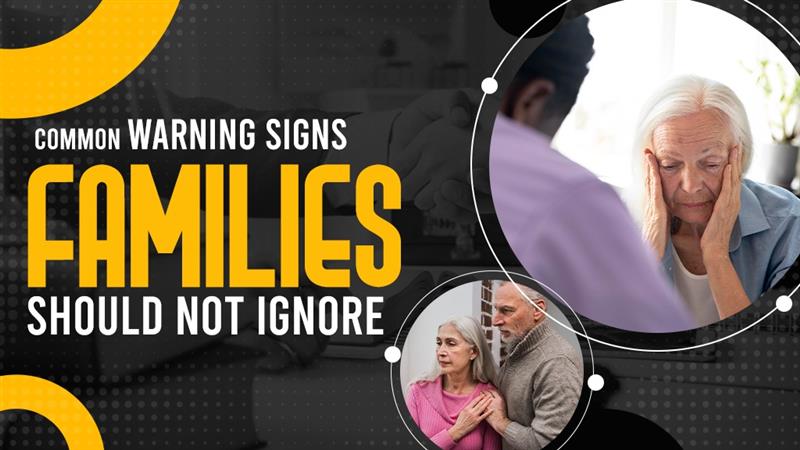
Common Warning Signs Families Should Not Ignore
- Physical abuse and unexplained injuries
Burns, bruises, and cuts are concerning. Fearing a caregiver all of a sudden is also uncalled for. The same goes for sudden changes in sleep patterns and appetite. These are all signs pointing to physical harm.
- Financial exploitation and missing funds
Unpaid bills appear without reason. Bank statements show strange withdrawals. A caregiver controls accounts or pressures changes to documents. These are all signs of financial abuse, and senior folk tend to feel fear or shame whenever money issues arise.
- Neglect in care homes or assisted living
Dirty garments and bed are signs of neglect. Weight loss shows neglect. Bedsores show neglect. Missed medications show neglect. Staff shortages or rushed care also signal risk. Facilities owe residents safe and attentive care.
When Legal Help Becomes Necessary
- Delayed medical care or worsening conditions
Any delay in treatment can harm an older individual. Infections spread. Injuries worsen. Medical records show gaps. These facts support legal action. Reviewing these events early protects their health and bolsters claims.
- Repeated incidents or ongoing harm
A single event matters. Repeated events show a pattern. If you notice a pattern, it points to deeper problems. Any ongoing harm demands an immediate response. Legal guidance helps stop abuse and document facts.
- Pressure from caregivers or facilities
Staff urge silence. Management avoids reports. Family visits face limits without reason. These tactics block accountability. Legal support restores balance and access.
Why Timing Matters in Elder Abuse Cases
- Reporting deadlines under California law
California sets deadlines for civil claims. Delays reduce options. Reports to authorities trigger protection steps. Early reporting ensures the evidence isn’t tampered with. After all, timing dictates outcomes.
- Preserving records and witness statements
Photos fade. Memories fade. Records disappear. Early action secures medical files, facility logs, and witness accounts. Strong evidence supports clear claims.
How an Elder Abuse Lawyer in Anaheim Helps
- Investigating care facilities and caregivers
Legal review examines staffing records, training logs, and care plans. Investigations uncover violations. Findings reveal responsibility. This work builds a solid case.
- Handling reports and legal filings
Reports involve Adult Protective Services or law enforcement. Filings require accuracy. Legal guidance ensures proper steps and correct timing. Families gain direction during stress.
- Pursuing accountability through civil claims
Civil claims seek compensation for harm. Claims also push changes in care practices. Accountability protects other seniors. Legal action serves justice and prevention.
Steps Families Should Take Right Away
- Seek medical evaluation
A medical visit documents injuries and conditions. Records link harm to care failures. Prompt care protects health.
- Document observations
Write dates, times, and details. Take photos where appropriate. Save messages and statements. Keep copies secure.
- Report concerns
Contact Adult Protective Services for immediate risk. Contact law enforcement for urgent danger. Reports create official records.
- Consult an elder abuse lawyer in Anaheim
Legal review clarifies options. Guidance reduces guesswork. Families move forward with confidence and focus.
- Choosing the Right Time to Act
Waiting increases risk. Early steps protect seniors. Early steps preserve rights. Elder abuse thrives silently. Action breaks silence.
Final Thoughts for Anaheim Families
Seniors deserve safety and respect. Families deserve clear answers. An elder abuse lawyer in Anaheim offers structure during uncertainty. If signs appear, trust observation and act. Protection begins with awareness and continues with on-time legal support.
Slip and Fall Accidents in 2026: New Liability Rules You Should Know
Slip and fall accidents have always been one of the commonest injury claims made in California. Starting this year, courts are going to prioritize records, timing, and safety proof. If you suffer a fall on another person’s property, these changes affect how responsibility is reviewed. An Anaheim slip and fall accident lawyer focus on these details early.
What Changed for Slip and Fall Claims in 2026:
Courts now want more concrete proof for slip and fall cases. Property owners face clearer duties. Injured people must show how and when a hazard existed. Claims succeed based on facts. Records matter more than assumptions. Clear timelines shape outcomes.
Property Owner Duties Under California Law
As per California law, property owners are liable to maintain safe conditions. In 2026, courts will review inspection routines, repair history, and safety planning.
Owners must show that they conduct regular inspections and get things repaired promptly. After all, if the logs go missing, defense will be weakened. Digital inspection records now appear more often in claims.
Hazards like spills, uneven flooring, broken steps, and poor lighting add to liability if ignored.
Notice Rules Matter More Than Before

Notice is at the center of every slip and fall claim in California. You have to prove that the owner knew or should’ve known about the danger.
Courts believe time-based proof. You can show how long a hazardous situation has existed with video footage, cleaning schedules, and witness statements.
At the moment, security cameras have a more significant role to play. Many businesses store footage longer than in prior years. Without notice proof, claims face challenges.
Comparative Fault Still Applies in California
California enforces comparative fault rules. Shared responsibility reduces compensation. Insurers often raise claims about footwear, phone use, lighting, and warning signs. Courts review these claims carefully. Clear hazards, missing warnings, or unsafe layouts reduce blame placed on injured people. An Anaheim slip and fall accident lawyer address shared fault using records and scene details.
Public Property Claims Follow Stricter Rules
Claims involving sidewalks, government buildings, and public spaces follow separate rules in California. Public agencies require fast notice. Deadlines remain short. Missed deadlines end claims. Courts still allow claims when agencies ignore known hazards or delay repairs. Private property claims allow broader recovery and fewer procedural limits.
Medical Proof Plays a Larger Role
Medical records drive slip and fall claims. Courts expect clear links between the fall and injuries. Delayed care raises questions. Gaps in treatment weaken claims. Doctors should document the cause of the injury. Imaging reports, therapy notes, and work restrictions support recovery claims. Future care estimates carry more weight in long-term injury cases.
Economic and Non-Economic Damages Remain Separate
There are two damage categories in slip and fall claims. The first one is economic damages, including medical costs, lost income, and future care. The second one is non-economic damages, including physical pain, mobility limitations, and daily restrictions. Courts rely more on daily impact proof. Care logs and activity limits help support these damages.
Commercial Properties Face Higher Scrutiny

Retail stores, apartments, hotels, and offices face closer review. Courts expect routine inspections, staff training, and proper flooring. Warning signs alone no longer satisfy safety duties. Prior incidents increase scrutiny. Repeated hazards raise liability risks.
Insurance Tactics Continue to Shift
Insurers push early settlements. These offers appear before full recovery details emerge. Early resolution limits future care coverage. Recorded statements also affect claims. Careful review protects against unfair outcomes.
Technology Shapes Modern Slip and Fall Claims
Technology now supports liability proof. Security cameras, digital logs, and weather records help establish timelines. Nearby business footage often fills evidence gaps. Early preservation of digital proof protects claims.
Why Legal Review Matters in California Slip and Fall Cases
Slip and fall claims now depend on records, timing, and proof. An Anaheim slip and fall accident lawyer reviews footage, records, and deadlines. Legal review helps avoid missed steps and unfair blame. After a fall, seek medical care. Document the scene. Preserve evidence early. These steps protect your rights under California slip and fall rules in 2026.
How an Uber & Lyft Accident Lawyer in Anaheim Protects Your Rights
An Uber or Lyft crash leaves people confused. You were not driving. You did nothing wrong. Still, insurance companies move fast. They ask questions. They push paperwork. Many people feel stuck early on.
Rideshare accidents work differently than normal car crashes. Coverage depends on timing. App status matters. One mistake can delay your claim. An Uber & Lyft accident lawyer in Anaheim helps you sort this out before problems grow.
The Complications of Rideshare Accidents
As Uber and Lyft drivers use their personal cars, coverage may change depending on what the driver was doing at that moment. Was the app off. Was a ride accepted? Was a passenger inside the car.
Each stage triggers different insurance rules. Insurers often argue over responsibility. This slows claims and creates stress. A lawyer checks trip data and accident timing to confirm which policy applies.
Responsible Parties
More than one party can be involved in certain accidents. The rideshare driver might be at fault. Another driver could share blame. Sometimes both matter.
Uber and Lyft provide insurance coverage, but limits vary. Insurance companies rarely explain this clearly. An Uber & Lyft accident lawyer in Anaheim identifies the responsible parties and directs the claim correctly.
Injuries Caused During Uber and Lyft Accidents
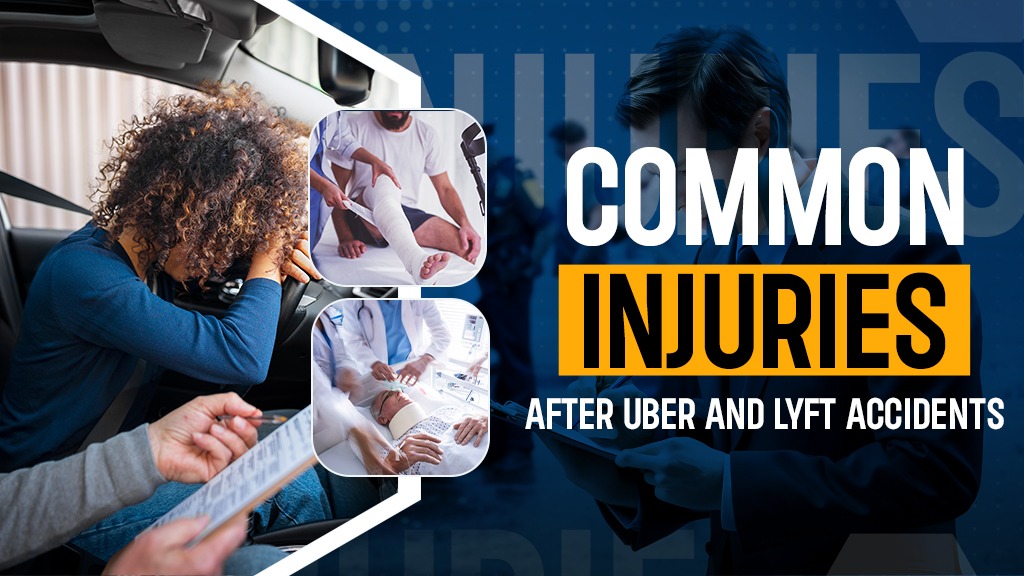
Passengers lack control during a crash. Injuries happen fast. Many people experience:
- Neck pain
- Back injuries
- Broken bones
- Head injuries
- Joint damage
Medical care connects your injuries to the crash. Delays create doubt. Insurance companies look for gaps. A lawyer helps protect your claim through proper documentation.
Rideshare Claims and How Insurance Companies Handle Them
Adjusters contact victims early. They sound helpful. They ask for statements. Settlement offers follow soon after.
These offers often fail to cover full medical costs. Future care gets ignored. Once accepted, claims close. An Uber & Lyft accident lawyer in Anaheim manages communications and ensures insurers stay honest.
How Can a Local Uber & Lyft Accident Lawyer Help You

Legal help starts with reviewing facts. Your lawyer looks at police reports, app data, and medical records. This confirms coverage and liability.
Your lawyer also handles negotiations and claims strategy. If talks fail, court preparation begins. It’s an approach that ensures deadlines aren’t crossed while reducing risks.
Rules In California Affecting Rideshare Accidents
California sets different insurance limits depending on trip status. Coverage increases once the app activates and again when a passenger enters the vehicle.
Local knowledge matters. Anaheim cases follow local court procedures. A local Uber & Lyft accident lawyer knows how insurers incorporate these rules in practice.
The Best Time to Contact a Lawyer
Early contact helps preserve evidence. Legal support matters if:
You suffered injuries:
- Medical bills keep rising
- Fault remains unclear
- Insurers delay responses
- You received a quick offer
Waiting often weakens leverage.
Things To Bring to Your First Meeting with A Lawyer
Consider bringing things like medical records, accident reports, insurance details, photos, and screenshots of the rideshare app. These details speed up case review.
Final Thoughts
Accidents concerning Uber & Lyft rideshare add extra layers of insurance and responsibility. Most people do not expect this. An Uber & Lyft accident lawyer in Anaheim helps keep the process fair and focused while you recover.
Why Hiring a Local Spinal Cord Injury Lawyer is Your Only Real Move in 2026
Let’s be honest. A spinal cord injury (SCI) is a total, life-wrecking catastrophe. It isn’t just a medical bill; it’s a permanent shift in how you exist. Most victims end up needing specialized, around-the-clock care that won’t stop as long as they live. It’s heavy stuff.
You’ve seen the national law firms on TV. They have the catchy jingles. But why hiring a local spinal cord injury lawyer makes a difference isn’t about fame. It’s about who actually knows the judge in your district and who can get to the accident scene before the rain washes the evidence away.
What are we actually talking about here?
An SCI isn’t just “back pain.” It’s a break in the body’s electrical grid. It hits the spine and the nerves. You lose feeling. You lose movement. You might end up paralyzed—either paraplegic (legs) or quadriplegic (neck down). Since your spine controls breathing and even basic digestion, the fallout is 24/7.
The Real Causes (The 2026 Reality)
Usually, it’s a sudden, violent blow. And usually, it’s someone else being stupid. According to the Mayo Clinic, the data is pretty consistent:
- Car Crashes: Almost half of all new injuries every single year.
- Falls: Responsible for about 15%.
- Violence: Gunshots or knife wounds make up 12%.
- Sports: Diving in shallow water or contact sports hit around 10%.
Sometimes, it’s a surgical mistake. That’s medical malpractice. You can read more about personal injury types here.
Why a Los Angeles Local is Non-Negotiable
Here is the core: Why hiring a local spinal cord injury lawyer makes a difference. SCI cases are technical. You need a lawyer who can hold a giant company accountable so you get the funds for hospital stays, physical therapy, and lost wages.
If you are facing a permanent disability, a local lawyer understands the actual costs in Southern California. We’re talking about:
- Decades of physical therapy.
- Remodeling your house so you can actually live in it.
- Hand controls for your car and standing frames.
- Fertility treatments (an often-overlooked SCI cost for men).
The Local Edge: Why Geography Wins

Current 2026 Legal Accuracy Law isn’t static. As of January 1, 2026, the MICRA cap for non-fatal medical malpractice in California rose to $470,000. A national firm might be using old 2025 numbers. A local LA lawyer knows the exact 2026 statutes and the local traffic codes that actually apply to your street.
The “Home Field” Advantage A local pedestrian accident lawyer in Orange County is in those courtrooms every week. They know the judges. They know the clerks. They know what local juries find convincing. That comfort level is a massive asset when you’re pushing for a settlement.
Reputation You Can’t Buy with a Billboard Credibility is everything. Local lawyers rely on their name. Judges and insurance adjusters know who the real fighters are. A respected local name carries weight that a national “file factory” simply doesn’t have.
The Local Expert Network To win, you need a team. Accident reconstruction experts. Surgeons. Rehab experts. Private investigators. Local lawyers have these people on speed dial. They don’t have to fly in an expert; they have the best ones right here in SoCal.
Knowing the Other Side’s Moves Your local lawyer has likely faced the defense attorney on the other side dozens of times. They know their style. They know where they cave. They know exactly how insurance companies play the game in the LA market.
Speed Saves Cases Time kills evidence. Video gets deleted. Skid marks fade. A local lawyer can be at the scene in an hour. An out-of-town attorney is still waiting for a flight.
Actual Personal Service This is the big one. Local firms take fewer cases. You aren’t a file number. You can meet your lawyer, face-to-face, and get real answers. That accessibility is what gives you peace of mind during a nightmare.
The Bottom Line
Why hiring a local spinal cord injury lawyer makes a difference? When it’s a spinal cord injury, your choice of lawyer is the biggest move you’ll make. National firms have the size, but local attorneys have the grit, the connections, and the speed that actually wins cases. When your future is on the line, local experience is a necessity. Period.
FAQs
Q1. When should I call?
Immediately. Evidence disappears fast, and insurers love it when you wait.
Q2. What if we don’t go to trial?
Most don’t. But a local lawyer’s reputation for winning at trial is what makes the insurance company pay a fair amount now.
Q3. What kind of money can I get?
Medical bills, future care, lost income, and “pain and suffering.” Anything you need to survive is on the table.
Q4. Does the SB 447 “Sunset” affect my case?
Yes. As of January 1, 2026, the expansion of survival damages has expired. This means if a victim passes away, the estate can no longer seek “pain and suffering” for the decedent. You need a lawyer who knows these exact 2026 cutoff dates to file correctly.
Q5. How do we stay in touch?
Directly. Phone calls, texts, and in-person meetings. No call centers. Just your lawyer.
Summary: Learn Why Hiring a Local Spinal Cord Injury Lawyer Makes a Difference. Read about how local legal knowledge, court familiarity, and personalized representation can strengthen spinal cord injury claims and improve outcomes for victims.
What Types of Cases Does a Personal Injury Lawyer in California Handle?
Accidents don’t give you a heads-up. One minute you’re fine; the next, you’re drowning in pain, stress, and a mountain of insurance paperwork. When life takes that turn, a personal injury lawyer in California is usually the only person standing between you and a total financial disaster. These attorneys specialize in one thing: holding people accountable when their careless actions break someone else’s life.
California’s injury laws are notoriously strict. They’re also confusing as hell. Deadlines are non-negotiable. Evidence vanishes. One tiny mistake in a police report can tank your entire claim. That’s why people look for a pro early on—especially when those medical bills start looking like a mortgage payment.
Who Exactly Are Personal Injury Lawyers?
Stripping away the legalese, these lawyers are advocates for people who got hurt because someone else was being reckless or unsafe. Their entire job is to shield you from the legal mess and the aggressive tactics of insurance companies.
A typical day for them involves:
- Digging through accident scene details.
- Chasing down medical records that hospitals take forever to send.
- Going toe-to-toe with insurance adjusters.
- Filing the actual legal paperwork (and doing it right).
- Dragging a case into a courtroom if the other side won’t play fair.
The goal? It’s simple. They want to make sure you get a settlement that actually covers what you’ve lost.
What Kind of Cases Do They Actually Take?
Personal injury law is a massive umbrella. Every sub-type of case has its own set of “gotcha” rules. Here are the big ones you’ll see across California in 2026.
Motor Vehicle Accidents This is the bread and butter of the industry. Car crashes, massive truck wrecks, motorcycle accidents, and pedestrians getting hit in crosswalks.
Common causes haven’t changed:
- People staring at their phones instead of the road.
- Speeding
- Driving while high or drunk.
- Potholes and unsafe road design.
CRITICAL 2026 RIDESHARE UPDATE: If you were hit while in an Uber or Lyft, everything changed on January 1, 2026. Under SB 371, rideshare companies just slashed their Uninsured Motorist coverage from $1,000,000 down to a measly $60,000. This is a huge trap for victims who don’t have a local lawyer who knows about this 94% coverage drop.
Workplace Accidents- Injuries at work aren’t just for construction sites or warehouses. Even offices have risks. Some of these are straight workers’ comp claims, but others involve a “third party”—like a manufacturer of a tool that broke. A lawyer helps you figure out which path leads to more compensation.
Medical Malpractice Cases- We trust doctors to fix us. When they do the opposite, it’s catastrophic. Surgical errors, missed cancer diagnoses, or birth injuries change lives forever.
Note on 2026 Caps: As of this month, the California “pain and suffering” cap for non-fatal medical malpractice has risen to $470,000. A lawyer who isn’t up to date on these 2026 MICRA increases might leave money on the table.
Premises Liability Cases (Slip and Fall)- Property owners have a legal duty to keep their spots safe. If there’s a hazard—a wet floor, a broken stair, or zero lighting—and they don’t fix it, they’re liable. Lawyers work to prove the owner either knew about the danger or should have known about it.
Product Liability Claims- In this case you expect your phone not to explode and your car’s brakes to actually work. When a defective product hurts you, the maker or the seller is on the hook. This covers:
- Electronics that catch fire.
- Toxic or unsafe toys.
- Car parts that fail at high speeds.
Dog or Animal Bite Cases- California is a “strict liability” state for dog bites. This means if a dog bites you in public (or legally in private), the owner is responsible, period. These cases involve deep wounds, infections, and often, permanent scarring that requires expensive plastic surgery.
What Kind of Money Are We Talking About?
Compensation—or “damages”—is how the law tries to make you whole again. The amount depends entirely on how badly your life was disrupted.
Common payouts cover:
- Every single medical bill (past and future).
- Lost income from missing work.
- Pain and physical discomfort.
- The cost of “life-care” (like a nurse or home modifications).
California Injury Stats
| Case Type | Estimated Share of Claims |
| Motor Vehicle Accidents | 52% |
| Workplace Accidents | 18% |
| Premises Liability | 12% |
| Medical Malpractice (2026 Updates) | 8% |
| Product Liability | 6% |
| Animal Bite Cases | 4% |
Why Bother Hiring a Lawyer?
Handling this yourself is a trap. Insurance companies are businesses; their job is to pay you as little as humanly possible. They’ll offer you a “quick check” that barely covers your ER visit, hoping you’ll sign away your right to sue for the surgery you’ll need in six months.
A personal injury lawyer in California knows these games. They know the deadlines. They know how to value your case so you aren’t left paying out of pocket for someone else’s mistake.
FAQs
- How do you prove someone is liable? You have to show they had a “duty of care,” they blew it, and that failure directly caused your injury. Photos, video, and witness statements are your best friends here.
- How much compensation can I win? It depends. A broken arm is worth less than a spinal cord injury. We look at the total losses—economic and emotional.
- How much does a lawyer cost? Almost all work on a “contingency fee.” You pay $0 upfront. They only get paid if you win. Simple as that.
- What is the deadline to file in 2026? For most injuries, you have two years. But if you’re suing a government entity (like a city bus), you might have as little as six months. Don’t wait.
- What if I was partly at fault? California uses “comparative fault.” Even if you were 30% to blame, you can still collect 70% of the damages.
- Should I talk to the insurance adjuster? No. At least not without a lawyer. Anything you say can—and will—be used to lower your payout.
What is Insurance Bad Faith and When Should You Contact a Lawyer in Los Angeles?
The role of the insurance company is to provide policies that allow people with peace of mind specially when an unpredicted events like any accident happens. However, not every insurance agency operates the same way. Some establishments put profits before their policyholders, unreasonably denying, delaying, or reducing claims. This practice is called bad faith insurance. Without an insurance bad faith lawyer in Los Angeles by your side, you might have trouble getting what you deserve.
An insurer is legally bound to honor a valid claim and ensure you receive an adequate settlement on time. If you’ve been duped by an insurer, A1 Accident Lawyer could help. Our experienced attorneys can analyze your case and policy to determine whether you have a bad faith insurance claim. You might even be entitled to compensation more than your original claim amount.
A Guide to Understanding ‘Bad Faith’ in Insurance
Ideally, an insurance company must act in good faith and honor a legitimate claim. Not doing so could count as bad faith insurance. Such an insurance claim can arise when an insurer unreasonably denies or delays your claim.
Unfortunately, some insurance companies deny claims instantly, making it tough for policyholders to get their due without a lawyer by their side. Policyholders may even have to sue the insurance company to get what they’re entitled to. Generally, there are two types of bad faith claims: a first-party claim and a third-party claim.
-
First-Party Bad Faith Insurance
A first-party bad faith insurance claim may arise when your insurance company doesn’t pay. Bad faith can occur with various insurers, including car insurance, homeowners’ insurance, and health insurance. If you sustain damages that are covered under your policy and your insurer refuses to investigate the claim or simply resists a payout, you could potentially sue them.
-
Third-Party Bad Faith Insurance
A third-party bad faith insurance claim commonly arises when another party’s insurance firm is responsible for compensating you, for example, after a car accident. If the insurer refuses to settle, you or the insured party could take the insurance company to court for bad faith.
Not All Denied or Delayed Claims Count as Bad Faith
There can be several legitimate reasons for a denied, delayed, or reduced claim. In such situations, even a wrongful death lawyer can’t help. You’ll find a list of such scenarios below if you continue reading. None of these situations counts as bad faith insurance:
-
Differences in Opinion About the Loss Amount
Based on the info available, a difference in opinion between an insurance adjuster and a policyholder regarding the loss amount doesn’t usually constitute bad faith unless an adjuster has no proof for their findings.
-
Exclusions in Coverage
If the damages you or your property sustained weren’t covered under your insurance policy, claim denial is usually legitimate.
-
Your Proof of Loss is Inadequate
A delay in claims processing isn’t unusual if you don’t provide enough proof of your losses. You could also have problems getting a claim approved if an insurance adjuster disputes your version of events or calculates a vastly different loss amount.
-
Liability is Contested
Fault for a car accident, for example, isn’t necessarily clear-cut. The drivers’ insurance companies may not agree on who’s liable and responsible to pay out a claim.
-
Insufficient Medical Evidence
You will be unable to prove to your insurance company if you do not see a doctor soon after an accident. The insurance company may deny to pay the medical expenses if there is a lack of solid medical records that are related to your accident injuries.
The policy of any insurance company is very much complicated with lots of exclusions and clauses. Here only an experienced bad-faith insurance lawyer can guide you by carefully reviewing the policy terms and conditions to see if your claim was unfairly denied or delayed by the insurance company or not.
When You Need a Lawyer?
Generally, getting what you deserve from an insurer without an attorney in your corner can be challenging, especially if your claim has already been denied. Insurers often try to get out of paying valid claims by delaying or denying claims, hoping policyholders give up fighting for their due. The sooner you have a bad-faith insurance attorney on your side, the sooner you can receive the payout you deserve. Seek legal advice when an insurance company:
- Ignores your claim
- Refuses to investigate your claim
- Fails to notify you of additional information needed to process your claim
- Offers a lowball settlement amount
- Denies your claim without an explanation
- Determines your proof of loss as inadequate
- Failed to explain policy exclusions before policy purchase
- Charges a higher premium after you file a claim
- Cancels your policy abruptly
- Fails to reach a settlement despite clear liability
- Uses threatening or abusive tactics to push you into accepting a settlement
It’s just wrong that some insurance companies aren’t upholding their end of the bargain when you have paid premiums for months or even years. If you face situation like this, then do not hesitate to consult an insurance disputes lawyer to know the options which you deserve.
Lawyers Can Help Fight Bad Faith Insurance
Events of bad faith insurance aren’t uncommon. A professional insurance lawyer can help you fight against your unreliable insurance company. Before filing a lawsuit, consider the following points:
-
Working With the Insurance Firm
In some cases, rather than immediately turning to the law, working with the insurance company can be advantageous. Make sure to comply with all requests for information and provide proof for your losses. Demonstrating your willingness to work with your insurer can also help with your case later on if you have to sue. If your insurance company is unwilling to settle, you’ve done everything possible to resolve the situation in good faith.
-
Filing a Complaint Against the Insurance Company
Insurance regulations and laws tend to be enforced by state rather than federal laws. Therefore, you can potentially file a complaint against your insurance with your state’s Department of Insurance. The departments usually try to resolve insurance complaints with mediation.
-
Filing a Bad Faith Lawsuit
Sometimes there was no option left for the policyholders rather to file a complaint against the insurance company to get their settlement. In this scenario, a professional and skilled insurance bad faith lawyer can help you with your options and guide you.
Conclusion
When you purchase an insurance policy, you expect your insurance company to uphold its end of the deal. Usually, this means honoring valid claims, processing them promptly, and paying out compensation you are entitled to under the policy. However, that isn’t always the case. Sometimes, insurance companies deny, delay, or underpay claims for reasons that aren’t genuine. When that happens, an insurance bad faith lawyer in Los Angeles from A1 Accident Lawyer can come to your rescue.
Legal Disclaimer: This content does not constitute legal advice and is for general informational purposes only. Insurance bad faith laws vary by situation. Consult a qualified lawyer to discuss your specific case.
Written by a professional insurance bad faith lawyer serving Los Angeles and California.
FAQs
Q1. What damages can you recover in an insurance bad faith claim?
A1. In an insurance bad faith case, you may recover unpaid benefits, interest, emotional distress damages, attorney fees, and sometimes punitive damages if the insurer’s conduct was especially harmful or deceptive.
Q2. How long do you have to file a bad faith insurance claim in California?
A2. California sets time limits based on the policy and claim type. Missing deadlines can affect your rights, so acting early helps protect your ability to pursue compensation.
Q3. Can bad faith apply to health insurance claims?
A3. Yes, health insurers can act in bad faith by denying necessary treatment, delaying approvals, or ignoring medical evidence, especially when the policy clearly covers the requested care.
Q4. Do you need proof that the insurer acted intentionally?
A4. You do not need to prove intent. Showing the insurer acted unreasonably, without proper investigation or justification, may be enough to support a bad faith claim.
Q5. Will filing a bad faith claim cancel your insurance policy?
A5. Insurers cannot legally cancel a policy in retaliation. Sudden cancellation after a dispute may itself signal bad faith and strengthen your claim against the insurer.
Summary: Learn how unfair claim denials and delays work, when to seek legal help, and how an insurance bad faith lawyer in Los Angeles can protect your rights and help recover the compensation you deserve.
What Are the Common Types of Personal Injury Cases?
Personal injury law is the legal area that deals with situations in which a person is harmed because of someone else’s negligent or wrongful conduct. If you were in a vehicle accident, had a slip and fall incident, or got injured in any other way, it is necessary to know what types of personal injury cases exist. This guide is all about personal injury law and the most common case types, and why hiring an Anaheim personal injury lawyer is necessary.
What is Personal Injury Law?
Personal injury law provides a means for the harmed individuals to acquire monetary compensation in case they suffer from physical, emotional, or financial harm. Such instances may be a consequence of accidents, medical malpractice, defective products, or any other situation where negligence is involved. The purpose of such a law is to help the injured person get monetary compensation that will make up for their losses. Many people contact a personal injury law firm when they face serious injuries and high expenses.
Need Award-Winning Representation?
Our experts are ready to help you claim the compensation you deserve.
What Are the Different Types of Personal Injury Cases?
There can be a major personal injury case based on your different situations or scenarios. Below are the most common personal injury types:
1) Car Accident Injuries
Car accidents have become the leading cause of personal injury claims most of the time. The injuries can be totally insignificant or extremely severe. Most car accidents are caused by risky driving behaviours, including the use of handheld devices while driving, excessive speeding, and driving under the influence of alcohol or drugs. If you have been in a car accident, consider working with a personal injury law firm that can give you legal advice and help you get your compensation.
2) Workplace Injuries
Workplace injuries occur when employees get injured while performing their job responsibilities. Although workplace injuries can happen in any industry, the construction, manufacturing, and healthcare sectors are reported to have the highest number of cases. Usually, the injured employees file claims under worker’s compensation, but personal injury claims can follow as well, depending on the case.
3) Slip and Fall
Slip and fall accidents are situations where people get hurt due to some dangerous conditions that exist on other people’s properties. Such hazards could be wet floors, uneven pavement, or poorly lit walkways. Injuries caused by a slip and fall on private or public property and it may entitle you to compensation. A personal injury law firm will be able to guide you in determining if there was any negligence.
4) Product Liability Cases
Product liability cases refer to situations when a product defect is the cause of a person’s injury. Such injuries may result from machinery, toys, food, or pharmaceuticals. The manufacturers, distributors, and retailers can be held liable if they sell products that cause the consumer damage. The main reason for these suits is to compensate injured parties for their losses, but also to encourage companies to develop safer products.
5) Medical Malpractice Cases
Medical malpractice is a case where doctors or other medical professionals do not give the expected standard of care, and it results in the patient being harmed. In that situation, it may be an error in a diagnosis, a mistake during a surgical operation, or giving the wrong prescription. Still, if we factor in the potential consequences of malpractice on the life of a person, these claims work as instruments to put healthcare providers on the hook and safeguard patients.
6) Dog Bites
If a dog bites you, the owner may be the one to pay for your injuries. Dog bite cases usually fall under the category of personal injury law, and every state has its own rules regarding liability. In a lot of instances, the owner of the dog is the one who must pay for the damages if their dog attacked a person who didn’t provoke it. And also, it is necessary to document the incident thoroughly, including medical records, photographs of injuries, and eye-witness statements.
7) Nursing Home Abuse
Unfortunately, nursing home abuse is an issue that keeps growing. If a loved one is hurt while staying in a nursing home, make sure to take action without delay. Abuse in a nursing home can be in the form of physical, emotional, or financial harm. Legal help is a must in such cases, so make sure the victim gets justice and receives compensation.
8) Pedestrian Accidents
Pedestrian accidents usually happen when a vehicle hits a person who is walking, riding a bike, or crossing the street. Such accidents may result from the driver being distracted, the area having poor visibility, or other reasons. In case you are a victim of a pedestrian accident, you should seek the help of an attorney to safeguard your rights and get the due compensation for your injuries.
9) Wrongful Death
Wrongful death cases are those that result from the negligence or misconduct of a third party that leads to a person’s death. Such cases are usually complicated and require a thorough investigation. The closest relatives of the deceased can file a wrongful death lawsuit to obtain compensation for medical expenses, funeral costs, and emotional suffering.
Why Is Hiring a Personal Injury Lawyer Important?
Hiring a personal injury law firm gives you the best chance of receiving compensation. Personal injury lawyers understand how to deal with insurance companies, how to calculate damages, and negotiate complex legal systems. They will work to get you the compensation you deserve for medical bills, lost wages, and pain and suffering.
If you’ve been injured, it’s important to reach out to a qualified personal injury attorney. With the right lawyer, you can get justice and compensation for your injuries.
Conclusion
Personal injury law covers a broad range of cases, and each type requires specific legal expertise. Whether you’ve been injured in a car accident, suffered from medical malpractice, or experienced any of the other common injuries listed here, it’s essential to seek legal advice. Hiring a personal injury law firm attorney ensures that your rights are protected and that you get the compensation you deserve.
Consulting with an experienced personal injury lawyer from A1AccidentLawyer can make all the difference in the outcome of your case.
FAQ’s
- How long do I have to file a personal injury claim?
Each state has a statute of limitations that sets a deadline for filing a personal injury claim. It’s important to contact an attorney as soon as possible to ensure you don’t miss the deadline.
- What should I do immediately after an accident?
After an accident, prioritize your safety and health. Call emergency services, document the scene, gather witness information, and seek medical attention. These steps will help strengthen your case.
- What is the difference between a settlement and a court trial?
A settlement is an agreement between you and the insurance company or responsible party to resolve your claim without going to trial. A court trial involves presenting your case to a judge or jury for a decision.
- How much does it cost to hire a personal injury lawyer?
Most personal injury attorneys work on a contingency fee basis, meaning you don’t pay unless they win your case. Fees are typically a percentage of the settlement or judgment.
- Can I still get compensation if I was partly at fault for the accident?
Yes, you may still be eligible for compensation depending on your state’s comparative negligence laws. An attorney can help determine how fault is assigned and what damages you can recover.
- What damages can I recover in a personal injury case?
You may be able to recover medical expenses, lost wages, pain and suffering, and other costs related to your injury. The exact amount will depend on the specifics of your case.
- How do I know if I have a strong personal injury case?
A strong case typically involves clear evidence of negligence, harm caused, and measurable damages. An experienced personal injury attorney can evaluate your situation and advise you.
- What is the role of an insurance adjuster in my personal injury case?
An insurance adjuster evaluates your claim to determine the amount of compensation you’re entitled to. They may offer a settlement, but it’s important to have an attorney review any offers to ensure fairness.
- How long will it take to resolve my personal injury case?
The timeline varies depending on the complexity of the case, the willingness of the parties to settle, and the court’s schedule. Some cases can be resolved in months, while others may take years.
- What happens if the responsible party doesn’t have insurance?
If the responsible party doesn’t have insurance, you may still be able to recover damages through your own insurance policy, such as uninsured motorist coverage. If not, a personal injury attorney can help explore other options for compensation.
Can A Passenger Be Liable For A Car Accident?
When most people think about car crashes, they picture the driver being at fault. But sometimes, the big question comes up: Can a passenger be liable for a car accident? The short answer is yes, in certain situations. Passengers usually do not hold responsibility, but there are special cases where their actions can play a role.
Typical Role of a Passenger
Passengers are not behind the wheel. They do not control the car. Normally, they are not held responsible when something goes wrong. The law usually protects them. But the story can change if their actions directly cause or increase the chance of a crash.
Need Award-Winning Representation?
Our experts are ready to help you claim the compensation you deserve.
Situations Where a Passenger Can Share Liability
There are a few cases where passengers may carry some blame.
Distracting the Driver
● Talking too loudly, waving hands, or blocking the view.
● Even playful actions can cause a driver to lose focus.
Grabbing the Wheel
If a passenger suddenly takes control of the steering wheel, it can trigger an accident.
Encouraging Dangerous Driving
Cheering for high speeds or unsafe stunts can create risks.
Interfering with Vehicle Controls
Touching gear shifts, brakes, or other controls without reason.
In these cases, it makes sense to ask again: Can a passenger be liable for a car accident? Yes, when their choices create unsafe conditions.
Shared Liability and Comparative Fault
Many states follow a system of comparative fault. That means more than one person can share responsibility. If a passenger played a role, they could be considered partly at fault. The driver might still carry the bigger share, but the passenger may also be included.
Insurance and Passenger Liability
When liability is shared, insurance companies look closely at the details. If a passenger’s actions caused the crash, their coverage or personal responsibility may come into play. This is rare, but it is not impossible.
Why This Matters to Drivers and Passengers
Both drivers and passengers should know how their roles work in traffic laws. Drivers need to focus on safe driving. Passengers should avoid risky behavior that could cause problems.
Staying alert, supportive, and respectful inside the car helps avoid issues. No one wants to think about accidents, but being aware of these points is important.
Legal Support in Accident Cases
Accidents often raise tough questions. Liability is not always simple. That is why talking with a professional helps. If you are in California, reaching out to a car accident lawyer in Anaheim can guide you in the right direction.
Having someone explain rights, responsibilities, and possible outcomes makes the process smoother.
Examples of Passenger Liability
Let’s consider a few simple examples.
● A passenger pulls the steering wheel during a turn. The car hits a pole. Liability may include both the driver and the passenger.
● A passenger distracts the driver with sudden shouts. The driver loses control. Both may share some responsibility.
● A passenger tells the driver to speed past a stop sign. The crash that follows might include liability for both.
In each case, the actions of the passenger link directly to the accident. That is what makes the difference.
Key Takeaways
● Passengers are usually not liable.
● Special cases exist where their actions matter.
● Distractions, interference, and encouragement of unsafe driving can create problems.
● Comparative fault rules may apply.
● Legal advice makes a big difference when liability is unclear.
So, can a passenger be liable for a car accident? The answer is yes, but only when their actions directly contribute to the situation.
Final Thoughts
Passengers and drivers both play roles in keeping the road safe. Understanding when a passenger may hold responsibility helps everyone stay more careful. If questions about liability ever come up, the right guidance can clear the path. For those facing tough situations, A1 Accident Lawyer is here to support you.
Also Read: Do Lawyers Take Cases They Can’t Win?
Can a passenger ever be held responsible for a car crash?
Yes, but only in rare cases. Normally passengers are not responsible. However, if their actions distract the driver, grab the wheel, or encourage unsafe driving, they can be held partly liable.
What are examples of passenger liability?
Examples include shouting and distracting the driver, touching the steering wheel, blocking the driver’s view, or pushing them to speed. In these cases, a passenger’s role in causing the crash becomes clear.
Does insurance cover accidents caused by passengers?
It depends on the situation. Most insurance policies focus on the driver, but if the passenger’s actions directly caused the accident, insurance companies may consider their role when deciding liability.
How does comparative fault work with passengers?
Comparative fault means more than one person can share responsibility. In some states, both the driver and the passenger may be assigned a percentage of blame if the passenger’s actions helped cause the accident.
Why is legal advice important in these cases?
Accidents that involve passenger liability can get complicated. A lawyer helps explain rights, responsibilities, and next steps. They also guide you in proving what really happened in the crash.
Average Payout for Pedestrian Hit by Car in California? Simple Guide
If you’re asking Average Payout for Pedestrian Hit by Car in California? you’re not alone. Many people want to know what kind of settlement or compensation they may expect after such an accident. While no two cases are the same, there are general factors that shape the payout amount. This guide will give you a clear idea in simple words.
Why Pedestrian Accident Cases Are Different
Pedestrian accidents often lead to higher settlements compared to minor vehicle collisions. The reason is simple. A person has little protection when hit by a car. The legal system in California considers that when deciding settlement amounts.
Need Award-Winning Representation?
Our experts are ready to help you claim the compensation you deserve.
Factors That Affect Settlement Amounts
Several elements play a role in shaping the payout. Here are some of the most common:
Medical Costs
- Hospital bills
- Surgery expenses
- Rehabilitation sessions
- Long-term care
Long-term care
- Lost Wages
- Time missed from work
- Future income potential
Changes in job capacity
Pain and Suffering
- Emotional stress
- Physical pain
- Changes in lifestyle
Fault and Liability
- Clear proof of fault
- Insurance policies
- State traffic laws
Why Do Pedestrian Accident Payouts Vary?
The truth is payouts vary because every accident is unique. Even when injuries look alike, other factors like medical expenses, type of work, and recovery time can be very different. Liability also makes a big difference. If fault is clear, settlements are usually higher. If fault is shared, the amount may be adjusted.
What Is the Average Settlement for a Pedestrian Hit by a Car in California?
So, what is the Average Payout for Pedestrian Hit by Car in California? There is no one set number. Settlements can range from smaller amounts for minor injuries to much larger ones for severe or long-term damage. Insurance coverage limits, medical bills, and loss of income all play a role in shaping the outcome.
How Do Common Pedestrian Accident Injuries Affect Settlement Value?
The type of injury often has a direct impact on the payout. For example, a simple sprain may lead to a lower settlement. But broken bones, head injuries, or surgeries usually increase the amount. Recovery time also matters. The longer it takes to heal, the more likely it is that the settlement will be higher.
What Damages Can Be Claimed?
Compensation usually includes two main types of damages:
- Economic Damages: These cover measurable costs like medical bills, lost wages, rehab sessions, and ongoing care.
- Non-Economic Damages: These address emotional stress, physical pain, and lifestyle changes that come after the accident.
Both play a big role in shaping the payout. Together, they make up the final settlement value.
What If It’s a Hit-and-Run?
A hit-and-run makes things more stressful, but compensation is still possible. If the driver leaves the scene, uninsured motorist coverage may step in. In such cases, having guidance from a pedestrian accident lawyer can make the process easier and improve your chances of a fair payout.
Settlement Ranges in California
So, what does this all mean for the Average Payout for Pedestrian Hit by Car in California? Minor cases may lead to smaller amounts, while more serious accidents often push payouts higher. Each detail adds up to create the final number. That’s why no two cases ever look the same.
Steps After a Pedestrian Accident
If you or someone close is involved, here are simple steps to follow:
- Get medical attention.
- Collect contact details of the driver and witnesses.
- Take photos of the accident scene.
- Report the accident to authorities.
- Keep records of all bills and reports.
Role of Insurance
Insurance coverage makes a big difference. The driver’s policy limits often set the cap on payouts. If damages go beyond that, other options may exist depending on the case.
Importance of Legal Guidance
Having the right legal support is very helpful. A skilled pedestrian accident lawyer can gather proof, negotiate with insurance, and guide you through the process. This improves the chance of reaching a fair settlement.
Why Each Case Is Unique
Even two accidents that look alike may have very different results. Injury type, recovery time, job impact, and insurance details all shape the settlement. That’s why the question Average Payout for Pedestrian Hit by Car in California? can never be answered with just one number.
Conclusion
The Average Payout for Pedestrian Hit by Car in California? depends on many factors like medical costs, lost income, injuries, and insurance coverage. Settlements can vary a lot, but the right preparation and guidance help in reaching a fair result. For trusted support, you can connect with A1 Accident Lawyer.
Also Read: Can You Recover from an Anoxic Brain Injury?
Why do pedestrian accident payouts in California vary so much?
They vary because each case is different. Injury type, medical costs, lost wages, and fault all shape the final amount.
What is the average payout for pedestrian hit by car in California?
There’s no fixed number. The settlement depends on injuries, recovery time, and insurance coverage. Some cases are smaller, and others can be much larger.
How do common pedestrian injuries affect settlement value?
Serious injuries usually mean higher settlements. Broken bones, surgeries, or long recoveries often raise the payout compared to minor injuries.
What damages can be claimed after a pedestrian accident?
You can claim both economic and non-economic damages. Economic covers bills and lost income. Non-economic covers pain, stress, and lifestyle changes.
What if the accident is a hit-and-run?
Even if the driver leaves, you may still get paid through uninsured motorist coverage. A pedestrian accident lawyer can guide you through the process.
Can You Recover from an Anoxic Brain Injury?
Can You Recover from an Anoxic Brain Injury? This is a common question asked by families when facing this medical challenge. The answer is not the same for everyone. It depends on how severe the oxygen loss was, how quickly treatment began, and what type of support system is in place. With the right care and planning, progress can often be made.
What Is an Anoxic Brain Injury?
An anoxic brain injury happens when the brain is completely deprived of oxygen. Unlike a stroke or trauma caused by an accident, this condition does not involve direct damage from impact. Instead, the brain cells begin to fail because they do not receive oxygen.
Brain cells are extremely sensitive. Within a few minutes of oxygen loss, changes start to happen. If the flow of oxygen is restored quickly, recovery can be smoother. If it takes longer, the effects may be more serious.
Common Causes of Anoxic Brain Injury
There are many reasons why oxygen supply to the brain may stop. Some of the most common include:
- Cardiac arrest – when the heart suddenly stops beating.
- Drowning or near-drowning incidents.
- Stroke or blood clots that block blood flow.
- Suffocation or choking accidents.
- Electrical shock disrupting the body’s functions.
- Complications during surgery or anesthesia.
In all these cases, oxygen interruption leads to brain damage. Families often look for both medical help and legal guidance. If negligence or unsafe conditions caused the injury, speaking with an Anaheim brain injury lawyer may help.
Need Award-Winning Representation?
Our experts are ready to help you claim the compensation you deserve.
The Difference Between Hypoxia and Anoxia
Many people confuse hypoxia and anoxia, but they are different conditions.
- Hypoxia happens when the brain receives less oxygen than normal.
- Anoxia happens when there is no oxygen at all.
Both can cause damage, but anoxia is more severe. The timeline for recovery is often longer and requires more medical attention.
How Long Does Recovery Take After an Anoxic Brain Injury?
Recovery time can vary. Some patients may regain basic functions within weeks, while others take months or years. In certain cases, progress continues throughout life with therapy and care.
Factors that affect recovery include:
- The length of oxygen loss.
- The patient’s age and overall health.
- The speed of emergency treatment.
- Access to rehabilitation programs.
- Emotional and family support.
Early medical action improves outcomes. Every step, from emergency care to therapy, plays a role in recovery.
Symptoms and Conditions Associated with Anoxic Brain Injury
After an anoxic brain injury, different symptoms may appear. They range from mild to severe and can change over time. Common signs include:
- Memory loss or confusion
- Difficulty concentrating
- Trouble speaking clearly
- Vision or hearing changes
- Poor coordination and balance
- Mood swings or emotional changes
Families may notice these changes in everyday life. Recognizing them early allows doctors to plan better treatments. In legal cases, an orange county brain injury attorney can also highlight how these symptoms impact daily living and long-term care needs.
What Are the Stages of Recovery After an Anoxic Brain Injury?
Recovery usually follows a series of stages. While not everyone moves through them the same way, these stages help explain the process:
- Critical Care Stage –Restoring oxygen supply and stabilizing vital signs.
- Early Recovery Stage –Return of basic functions like movement or awareness.
- Rehabilitation Stage –Therapy begins, including physical, speech, and occupational support.
- Long-Term Recovery Stage –Patients continue improving skills, mobility, and independence over time.
Each stage can last for weeks, months, or longer. With dedication and treatment, small steps often lead to big improvements.
Anoxic Brain Injury Treatment
Treatment focuses on stabilizing the patient and building long-term support. It often includes:
- Emergency medical care to restore oxygen quickly.
- Medications to manage swelling, blood flow, or seizures.
- Physical therapy to rebuild strength and coordination.
- Speech therapy for communication and language recovery.
- Occupational therapy to improve everyday skills.
- Counseling to manage emotional well-being for both patient and family.
A full treatment plan may bring together many specialists. Doctors, therapists, and counselors often work as one team to give the patient the best chance of recovery.
Can You Sue for an Anoxic Brain Injury?
Yes, legal action can be possible. When an anoxic brain injury happens due to negligence, families may seek justice. Common situations include:
- Mistakes during surgery or anesthesia.
- Failure to monitor patients in hospitals.
- Workplace accidents where safety rules were ignored.
- Accidents caused by poor maintenance or unsafe environments.
Legal action may help recover costs for medical bills, lost income, rehabilitation, and long-term care. Speaking with an Anaheim brain injury lawyer is often the first step to understanding what options are available.
What Kind of Experts Help Prove an Anoxic Brain Injury Case?
Proving a legal case often requires professional testimony. Experts may include:
- Neurologists who explain brain damage in medical terms.
- Rehabilitation specialists who describe future care needs.
- Life care planners who estimate long-term costs.
- Economists who calculate financial losses.
- Accident reconstruction experts who explain how the injury occurred.
Together, these experts create strong evidence that supports the claim and helps families secure fair compensation.
Protect Your Loved One’s Future After Anoxic Brain Injury
Caring for someone with an anoxic brain injury requires patience and planning. Beyond medical care, families should also focus on financial and legal protection. Proper therapy, ongoing treatment, and structured routines often improve quality of life.
Families who also explore legal options can ease financial stress. When treatment costs are high, securing compensation can ensure the patient receives the best care possible both now and in the future.
Final Thoughts
Can You Recover from an Anoxic Brain Injury? Recovery is possible, but the path looks different for every individual. With early treatment, long-term therapy, and proper support, progress can happen. Legal guidance is also important for protecting the patient’s future. For reliable legal help, you can reach out to A1 Accident Lawyer.
Also Read: Who Is at Fault If a Bicycle Hits a Car?