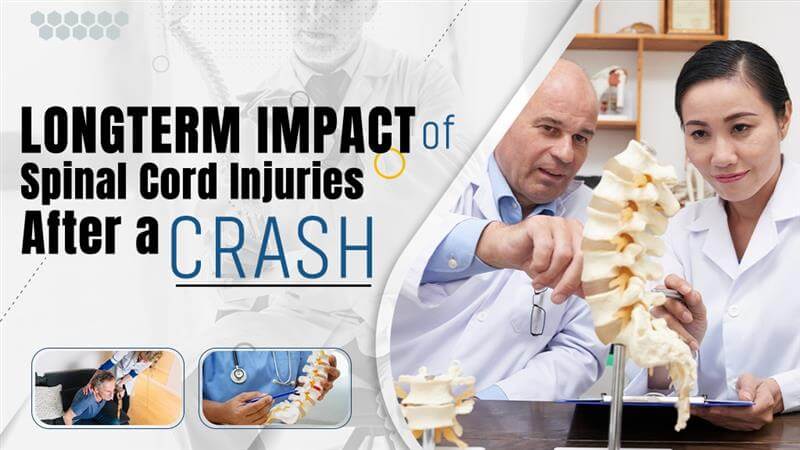
Serious crashes result in many life-changing aspects that may not be anticipated by many individuals. One of the most detrimental is an injury to the spinal cord. The spinal cord is responsible for carrying messages from the brain to the remainder of the body; when these messages are interrupted, the ability to move and experience sensations can also be affected.
Temporary limits occur in some cases while others will have to live with long-lasting physical impairments that can affect one’s work, mobility and daily routine. Many times after a significant accident, families will seek advice from spinal cord injury lawyers in Los Angeles so they can better comprehend their family’s long-term medical and financial requirements.
What Happens When the Spinal Cord Is Injured
The spinal cord goes down the middle of the backbone and transmits signals from the brain to the rest of the body. Once a traumatic event damages the spinal cord, these signals can’t be transmitted like normal again. Doctors have developed several methods for describing the severity of a spinal cord injury.
Complete injury
A complete injury stops communication below the damaged area. Movement and feeling below that point are often lost.
Incomplete injury
An incomplete injury allows some signals to pass through the injured area. A person may retain limited movement or sensation.
Typically, doctors will determine the level of damage caused by an SCI based on where the injury occurred along the spine; this helps doctors understand which part of the body is being affected.
Physical Effects That Can Last for Years
The physical changes from spinal cord injuries can be quite apparent to many individuals. The changes are determined by how severe the injury is and which area of the spine was injured.
Some common changes include:
- Paralysis (either partial or complete)
- Decreased sensation in parts of your body
- Weakness or stiffening in muscles
- Persistent nerve damage related pain
- Coordination and/or balance issues
Rehabilitation programs assist the patient in becoming independent again to the greatest extent possible. Each individual will experience varying levels of progress depending upon their circumstances.
Ongoing Medical Treatment
Spinal cord injuries rarely involve a single stage of treatment. The process usually begins with emergency care and continues through months or years of follow-up care.
Patients often receive treatment such as:
- Physical therapy
- Occupational therapy
- Pain management programs
- Mobility equipment including wheelchairs
- Regular medical monitoring
Some individuals continue therapy for long periods while learning new ways to perform everyday tasks.
Changes in Daily Living

Injuries to the spinal cord often affect routines people once handled without thinking. Activities such as driving, cooking, or traveling may require adjustments.
People recovering from these injuries often deal with changes related to:
- Transportation and driving
- Household tasks
- Personal care routines
- Workplace responsibilities
Some individuals return to their previous jobs after rehabilitation. Others shift into different roles which better fit their physical abilities.
Emotional and Psychological Impact
The physical challenges of spinal cord injuries often receive the most attention, but emotional effects also matter.
Long recovery periods and lifestyle changes may lead to:
- Stress related to medical treatment
- Frustration during rehabilitation
- Concerns about independence
- Changes in relationships or social activity
Support from family members, counselors, and rehabilitation specialists often plays an important role during recovery.
Financial Effects of Spinal Cord Injuries
The financial impact of spinal cord injuries often grows over time. Initial hospital care represents only part of the total cost.
Expenses may include:
- Emergency treatment and surgery
- Long hospital stays
- Rehabilitation programs
- Mobility equipment and assistive devices
- Home adjustments for accessibility
- Continued medical care
Lost income may also become an issue if returning to work becomes difficult.
Because of these long-term costs, many injured individuals speak with spinal cord injury lawyers in Los Angeles after a crash.
How Injury Claims Are Evaluated

When spinal cord injuries result from an accident, several factors often shape the legal claim.
These factors often include:
- The cause of the accident
- The seriousness of the injury
- Expected future medical needs
- Impact on employment and earnings
- Effects on daily life and independence
Medical records, expert opinions, and accident reports often play an important role in evaluating these cases.
When to Speak With Spinal Cord Injury Lawyers in Los Angeles
After an accident that has caused a person to suffer a spinal cord injury, individuals will first be concerned with their medical treatment and physical recovery from the injuries they suffered. Only after the long-term consequences of the spinal cord injury are apparent, will individuals begin to think about the legal issues associated with their spinal cord injury. A Los Angeles spinal cord injury lawyer will evaluate your case by reviewing all the facts related to your accident, as well as your complete medical records, and how the accident has impacted your financial situation. The early consultation can assist you in preserving essential evidence for use in your case, and provide you with a clear understanding of what you may expect to occur during the course of the legal process.
Frequently Asked Questions
What accidents often cause spinal cord injuries?
Vehicle collisions, motorcycle crashes, truck accidents, and serious falls often lead to spinal cord injuries.
Does every spinal cord injury lead to paralysis?
No. Some injuries allow limited movement or sensation depending on the location and severity of the damage.
How long does recovery usually take?
Recovery differs for every patient. Some improvements appear within months, while other effects remain long term.
What treatment follows a spinal cord injury?
Treatment often includes surgery, physical therapy, rehabilitation programs, and continued medical monitoring.
Why are spinal cord injuries costly over time?
Long hospital stays, therapy, assistive equipment, and home adjustments often create significant long-term expenses.
When do people usually contact a lawyer after this type of injury?
Many individuals seek legal guidance after learning more about the long-term medical and financial impact of the injury.