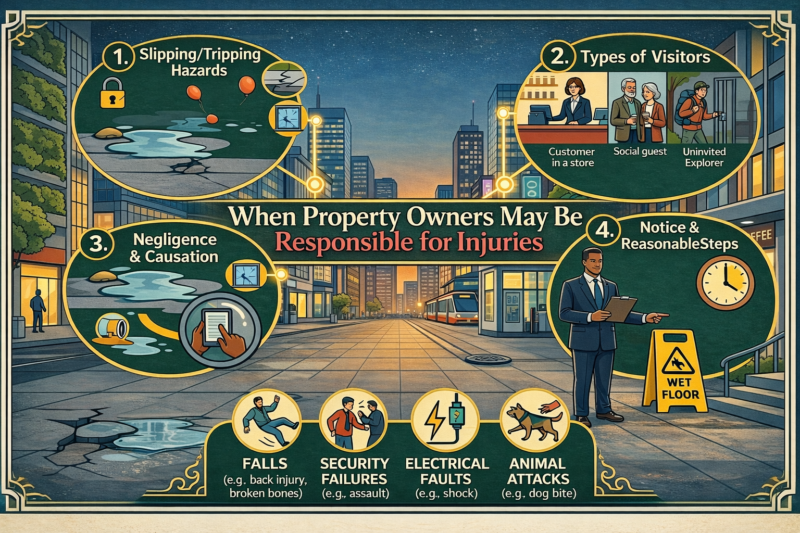
Many injuries happen in places people visit every day. A store aisle, apartment stairway, parking lot, or office hallway can become the site of an accident. In many cases, the cause is simple. A wet floor. A broken step. Poor lighting.
Most people expect these places to be safe. When basic maintenance does not happen, someone can get hurt.
After an incident like this, people often begin to ask a direct question. Should the property owner have fixed the problem earlier? At that point, some speak with a premises liability attorney to understand how responsibility is examined in these situations.
What Premises Liability Means
Premises liability refers to the duty a property owner has to maintain safe conditions for visitors. This duty does not require perfection. It does require reasonable care.
Owners and managers are expected to check their property and address hazards which could lead to injury.
This responsibility may apply to places such as:
• Retail stores
• Apartment buildings
• Restaurants
• Hotels
• Office properties
• Parking garages
• Private homes
The exact level of responsibility often depends on how the property is used and who visits it.
Conditions Which Often Lead to Injuries
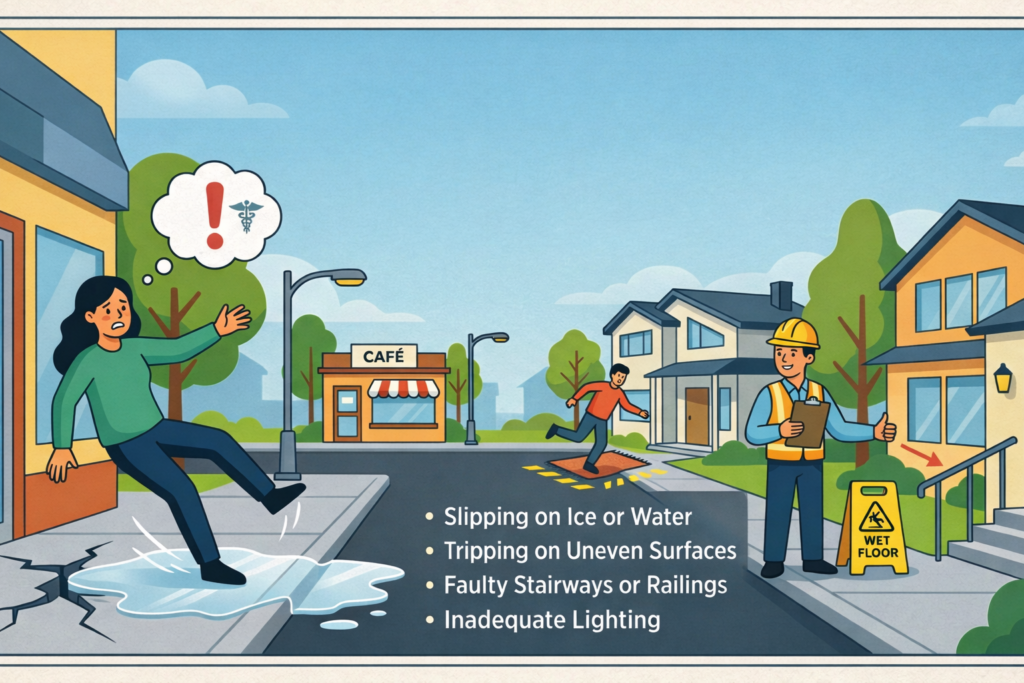
Many of these types of injuries are due to an ongoing hazard. A problem exists but is left uncorrected as well as unaddressed to all visitors.
Common hazards include:
• Slippery floors due to water
• Stairs which have been damaged
• Stair handrail has come loose
• Inadequate lighting in areas that you need to travel through.
• Uneven sidewalk, uneven floor surface
• Electrical hazards (i.e. outlets)
• Falling merchandise/falling objects on the shelf.
These conditions often build over time rather than appearing in a single moment.
When a Property Owner May Be at Fault
Not all injuries that occur in an individual’s property are the result of the individual’s fault. Generally, several specific factors typically govern the determination of liability for damages to individuals who suffer an injury on a property.
The following are typical of some of the specific areas investigators examine when they begin investigating an injury:
• Did the individual who owns the property know about the hazard before the injury occurred?
• Would the hazard likely have been found during a regular or routine inspection by the individual or his representative?
• Would it have been possible to correct/repair the hazard prior to the individual suffering an injury?
• Were adequate warning signs posted near the hazardous area to prevent injury?
The above are some examples of how investigators will use these various factors to establish whether “reasonable care” was used.
Examples of Premises Liability Accidents
Premises liability cases arise in many everyday situations.
Examples include:
• A customer slipping on a wet grocery store floor
• A fall on broken apartment stairs
• An injury in a poorly lit parking area
• Merchandise falling from a store display
• A trip on uneven pavement outside a building
Each situation requires a careful review of how the hazard developed and how long it remained unaddressed.
Evidence Often Reviewed After a Property Injury
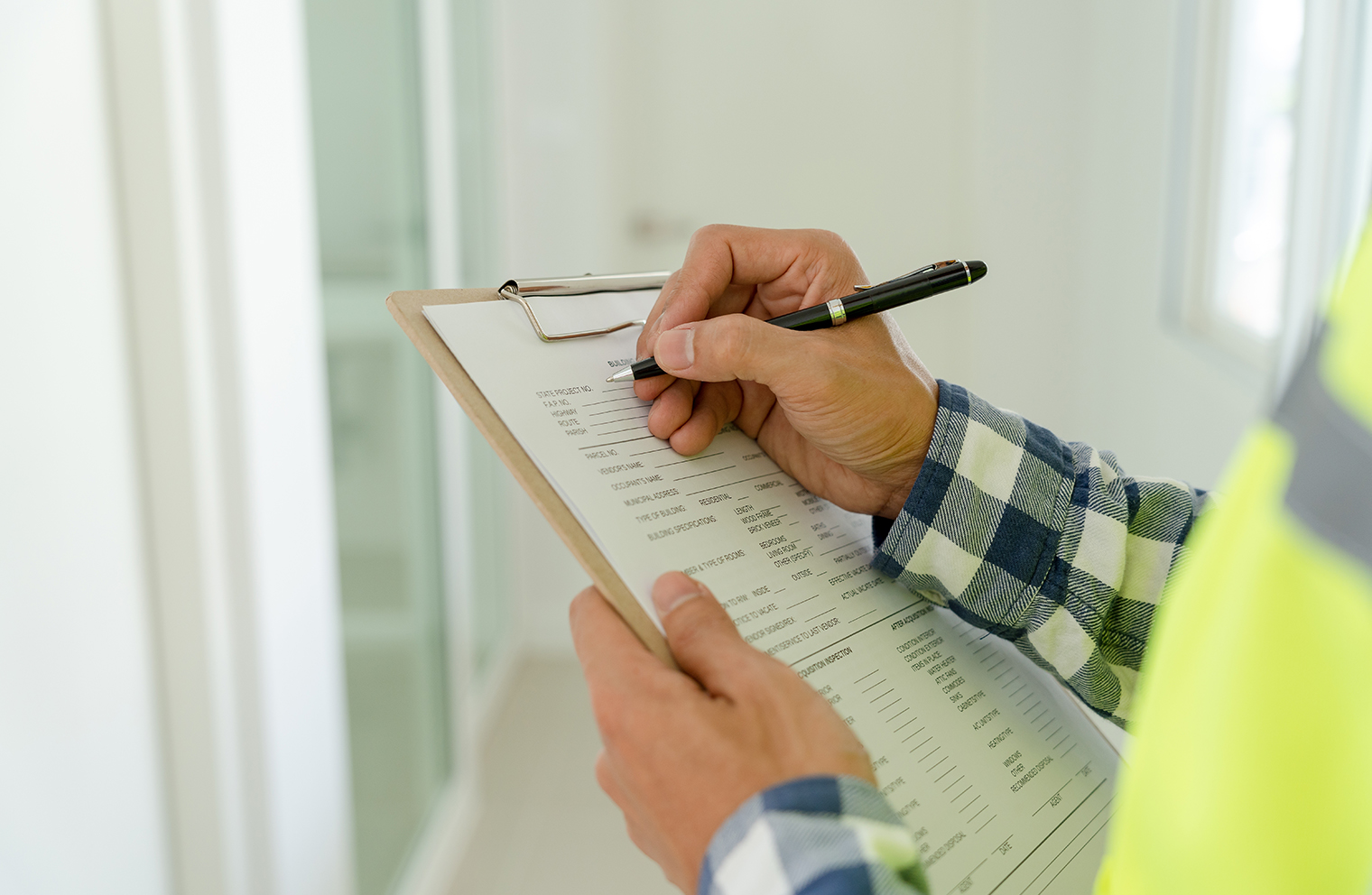
Evidence plays an important role in understanding what happened.
Investigations often review:
• Photos of the area where the injury occurred
• Security camera footage
• Incident reports prepared by the property
• Maintenance and inspection records
• Statements from people who saw the accident
These records help explain the condition of the property at the time of the injury.
Why Documentation Matters
The conditions of a piece of property can change very quickly from one day to another as a result of an accident. A spill is cleaned; a broken step is fixed.
It is for that reason that it is important to document events early in an incident. Documentation such as photos, medical records, and witness statements provide valuable insight into the condition of the location at which the injury occurred.
When there are no documents or evidence available to support what happened during the accident, then determining how the accident occurred will be much more difficult.
When People Speak With a Premises Liability Attorney
Most people will put their primary focus on getting good medical treatment immediately after an injury occurs. The legal aspects of this incident usually come into play later in time; i.e., as the person receives bills for medical expenses and loses income from missing work. At that point, many individuals will contact a premises liability attorney to determine who is responsible for the costs associated with their property injury, which then leads the premises liability attorney to review the accident report, photos taken at the scene, the individual’s medical records, and the maintenance history of the property involved in the incident. Initial consultation or conversation(s) with the premises liability attorney will allow you to understand how your claim will be evaluated and what steps will be taken by the premises liability attorney after a property injury has occurred.
Frequently Asked Questions
What does premises liability mean?
Premises liability is the duty a property owner has to provide reasonable safety conditions for people visiting their property.
What types of accidents fall under premises liability?
The majority of slip & falls and falling object cases fall within premises liability claims; poor lighting and unsafe stairs are also common examples of these types of claims.
Is a property owner responsible for every injury?
Responsibility usually comes down to whether the owner knows of the hazard or should have and if so did he/she do anything about it.
What evidence helps support a premises liability claim?
Photos, Video Footage, Witness Statements, Maintenance Records, Incident Reports etc. all can be helpful in explaining what happened when you got hurt.
When do people speak with a premises liability attorney?
Most individuals will seek legal counsel once they understand the severity of their injuries and the circumstances surrounding the accident.